

3D Scanning & Digital Fabrication
Precise. Comfortable. Designed Around You.
At Cascade Orthotics, technology is not there to impress—it is there to help patients receive a better orthosis and a better experience. We use 3D digital scanning, CAD/CAM design, and digital fabrication workflows to create custom braces with precision, consistency, and close attention to the person wearing them.
The Cascade Standard, supported by modern tools
Cascade’s reputation was built on complex orthotic care and hospital-trusted spinal expertise. Today, that same standard guides every brace we design for children, adults, and seniors.
Digital tools help us capture anatomy precisely, work from consistent records, refine custom designs, and make the fitting process clearer and more comfortable. Technology does not replace clinical judgement. It strengthens it—alongside careful assessment, experienced orthotists, thoughtful fitting, and ongoing support.
What 3D scanning means for patients
A 3D scan creates a detailed digital model of the body area being assessed for an orthosis. Instead of relying only on manual impressions or plaster methods, we can capture shape and contours in a fast, clean, and patient-friendly way.
That model becomes the starting point for a brace designed around your anatomy, clinical needs, and functional goals.
- Cleaner: no messy plaster in many cases.
- More comfortable: a quick, non-invasive capture process.
- More precise: detailed digital information to guide custom design.
- More understandable: a modern process patients and families can see and follow.
Our digital process: scan → design → fit → support
- Clinical assessment. We look at function, alignment, goals, comfort concerns, and how the device will be used in real life.
- 3D digital scanning. We capture relevant anatomy, posture, limb contours, and measurements to guide brace design.
- Digital design. Using CAD/CAM-based workflows, scan data is refined into a custom orthotic design focused on support, correction, stability, protection, offloading, or improved function.
- Digital fabrication. The approved design moves into fabrication, helping translate the clinical plan into a precise finished orthosis.
- Fitting and refinement. We confirm comfort, alignment, usability, and real-world function, then make adjustments as needed.
- Ongoing care. We remain focused on fit, function, wear, and patient experience as needs change over time.
Why digital technology matters
- Better fit: detailed anatomical capture supports a more customised orthosis.
- Better comfort: refined design can improve how a brace feels and functions in everyday life.
- Better consistency: digital records help us compare, refine, and reproduce design decisions when needed.
- Better communication: patients, families, and referring practitioners can better understand what is being created and why.
Designed for real life
For children and families: Digital scanning can make appointments feel calmer, cleaner, and easier to manage while supporting precise brace design for growing bodies and active lives.
For adults and seniors: When pain, weakness, instability, or arthritis affects movement, the goal is not simply to create a device. It is to help restore confidence in walking, standing, and everyday activity.
For complex spinal care: Cascade’s legacy in spinal orthotics informs how we approach every design: carefully, precisely, and with close attention to biomechanical intent.
Technology across Cascade’s orthotic care
Our digital workflow supports many areas of care, including:
- Spinal orthoses
- Lower-extremity orthoses
- Upper-extremity orthoses
- Selected mobility and arthritis bracing applications
- Foot orthotics and related orthotic solutions, where clinically appropriate
The right process depends on the person, the device, and the clinical goal. In some cases, hands-on methods, additional measurements, or refinements remain important. Technology improves the process; it does not oversimplify it. See some of our 3D printed custom orthoses →
What to expect at your appointment
- Before: Bring any referral, prescription, imaging report, current brace, everyday shoes for lower-limb bracing, and relevant insurance or funding information.
- During: Your visit may include assessment, discussion of goals, digital scanning or measurement, brace options, funding guidance, and follow-up planning.
- After: We remain focused on comfort, function, and fit. If adjustments are needed, we explain the next step clearly.
Frequently asked questions
Is 3D scanning better than plaster casting?
3D scanning offers a cleaner process, strong anatomical detail, and efficient digital-design workflows. Many patients find it more comfortable and easier to understand. The best method still depends on the clinical situation and the orthotist guiding the process.
Is the scanning process painful?
No. Digital scanning is non-invasive and designed to be comfortable. Most patients find it quick and straightforward.
Will a digitally made brace fit better?
Digital tools can support a more precise custom fit, especially when paired with careful assessment, experienced orthotic design, quality fabrication, fitting adjustments, and follow-up.
Do you use this technology for scoliosis and mobility bracing?
Yes. Digital scanning and design are particularly valuable where precision, comfort, repeatability, stability, or correction matter. We use the process across paediatric scoliosis care and selected adult and senior mobility applications.
Can you help explain AADL or other funding?
Yes. If AADL or another funding pathway may apply, we help explain the likely next steps before anything moves forward. Read the AADL Funding Guide →
For referring practitioners
Our digital workflow supports precise anatomical capture, consistent design processes, careful fitting, and patient-centred education. We aim to be a reliable clinical partner with clear communication, responsive follow-up, and practical support around funding where relevant.
Related Cascade resources
- The Cascade Standard — About Us
- Meet Our Certified Orthotists
- Modern Scoliosis Bracing in Calgary — A Parent’s Guide
- Adult & Senior Mobility
- Orthotic Care: Explore Conditions & Devices
- AADL Funding Guide & Patient Resources

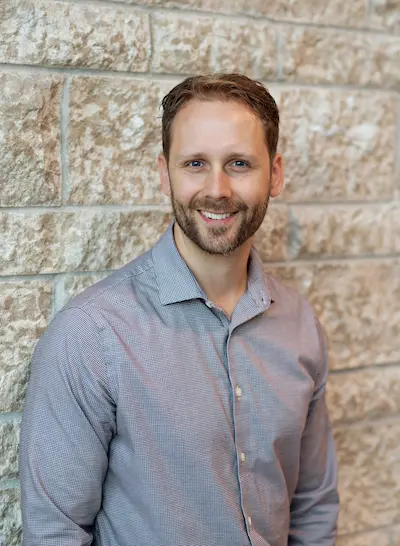
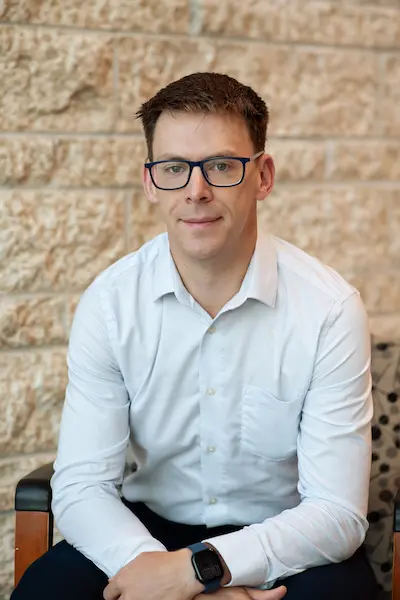
Meet Our Certified Orthotists C.O.(c)
Experienced orthotists guide every step—from assessment and scanning through fitting, adjustments, and follow-up.
Ready to get started?
Whether you are exploring options for your child, seeking more support with mobility or arthritis, or looking for experienced care for a complex orthotic need, Cascade combines skilled clinicians with modern technology to make the process clearer, more precise, and more comfortable.
Technology supports orthotic care, but the right process and device depend on the individual patient, clinical assessment, and functional goals. Not every orthosis follows the same workflow.